
 Excel
Excel Word
Word

Who Needs Blank Receipts?
Small Businesses
Small business owners often deal with a multitude of transactions, making receipts vital for tracking income and expenses, managing taxes, and providing proof of purchases to customers.
Individuals
Individuals use blank receipts for personal transactions, such as selling items online, lending money, or splitting expenses with friends. Receipts help keep track of financial dealings and prevent disputes.
Service Providers
Freelancers, consultants, and other service providers rely on receipts to document payments from clients, maintain financial records, and demonstrate the legitimacy of their services.
The Benefits of Having Blank Receipts
Having templates of blank receipts on hand is helpful when you need to quickly document a transaction. But it’s also helpful for:
Tax Purposes: Receipts serve as concrete evidence of income and expenses, helping individuals and businesses accurately report financial information for tax purposes. This can lead to potential tax deductions and savings.
Preventing Scams: In personal or online transactions, a receipt can prevent scams and fraudulent claims. It provides a clear record of the transaction terms, reducing the risk of disputes.
Keeping Records: Receipts are essential for maintaining organized financial records. They offer a chronological history of transactions, making it easier to analyze and manage finances.
Avoiding Confusion: Receipts provide clarity by outlining the details of a transaction, including the date, items or services exchanged, payment amounts, and the involved parties. This reduces misunderstandings and disputes.
How to Fill Out a Blank Receipt
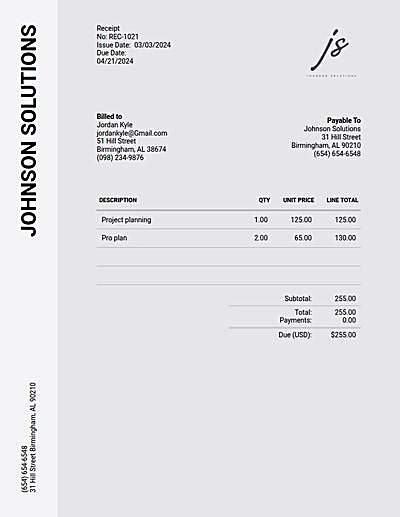
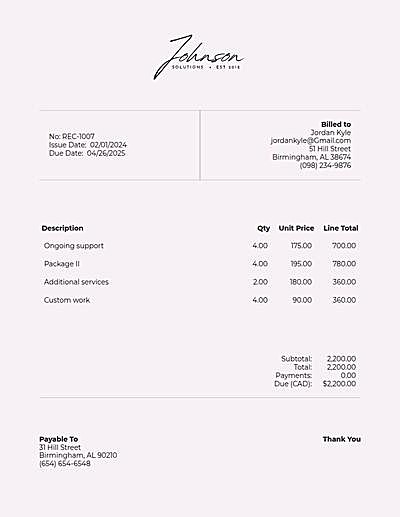
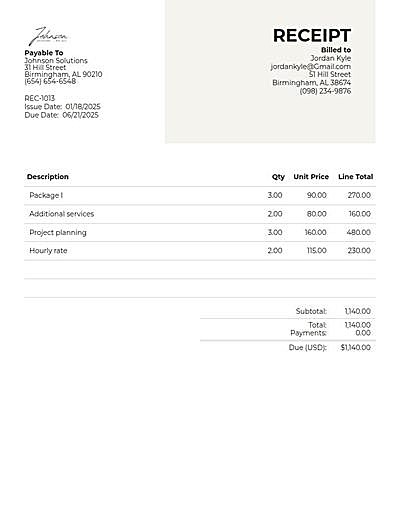
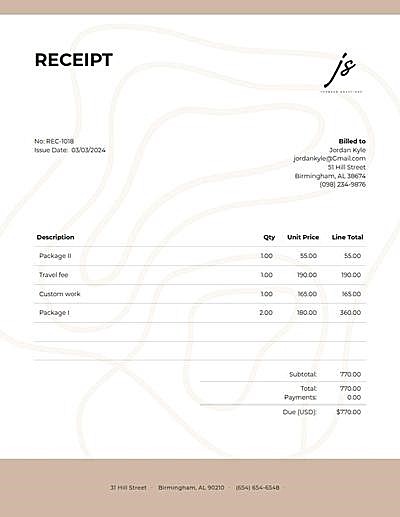
Filling out a receipt is usually a straightforward process, but you’ll need to include these elements.
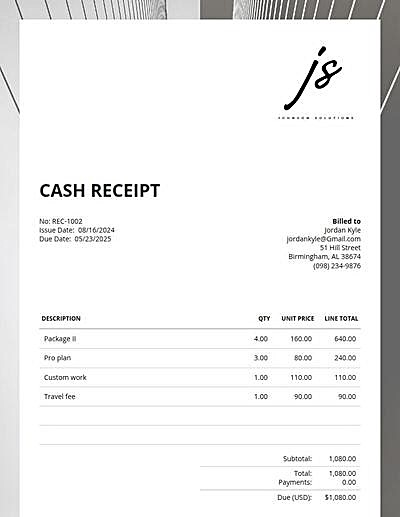
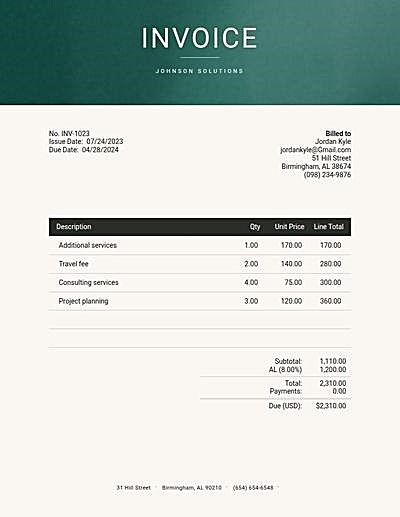
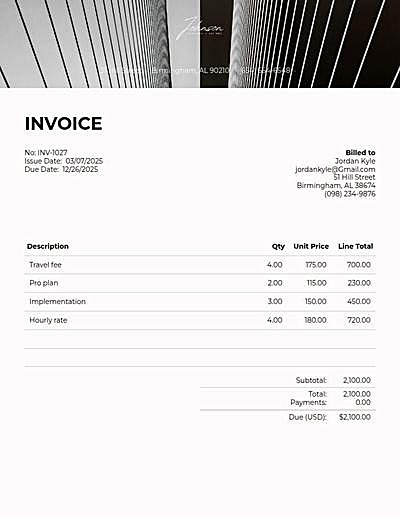
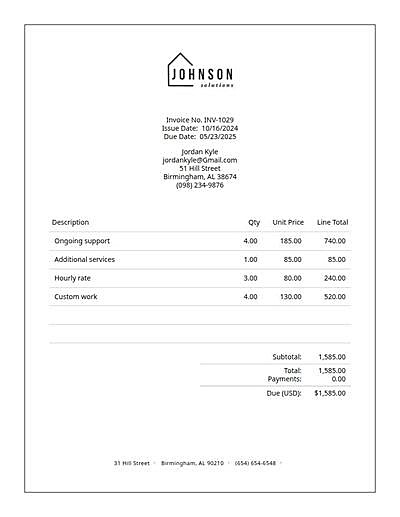
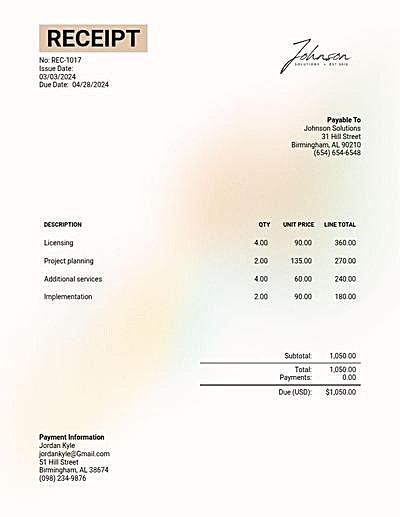
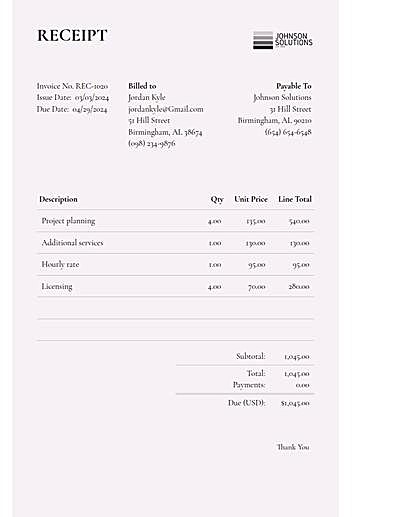
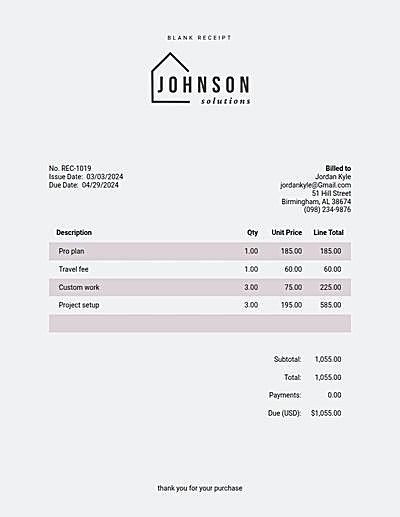
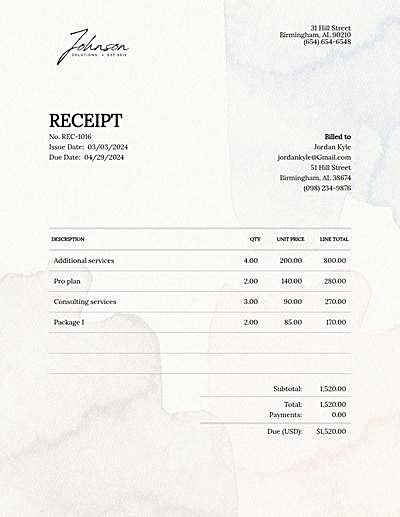
- Date of sale: Specify the date of the transaction.
- Logo: Add your business logo for branding (if applicable).
- Taxes: Clearly state any applicable taxes.
- Line Items: Provide a breakdown of the items or services exchanged, including quantities and individual prices.
- Total Amount Paid: Show how much the client ended up paying for the line item, plus any tax and additional fees.
Editing a Receipt Online
Creating and editing receipts has never been easier, thanks to online tools like Invoice Candy's online invoice generator.
- Select a Template: Choose a template that suits your branding or preferences.
- Fill Out Key Details:Add all the key details listed above, including the amount paid, line items, and date of sale.
- Customize: Personalize the invoice by adding your company’s logo, adjusting fonts, and including any additional information, like any shipping fees incurred.
- Send Online: With online invoice software, you can send the receipt directly to your customers electronically..
- Download a Copy: If needed, you can also download a copy of the receipts for your records or to provide a physical copy to a client.
A blank receipt template is a great addition to your small business resource arsenal, though individuals and contractors can also benefit from having blank receipt templates on hand. Receipts are a great way to record financial transactions for income and tax compliance and provide transparency to clients.